
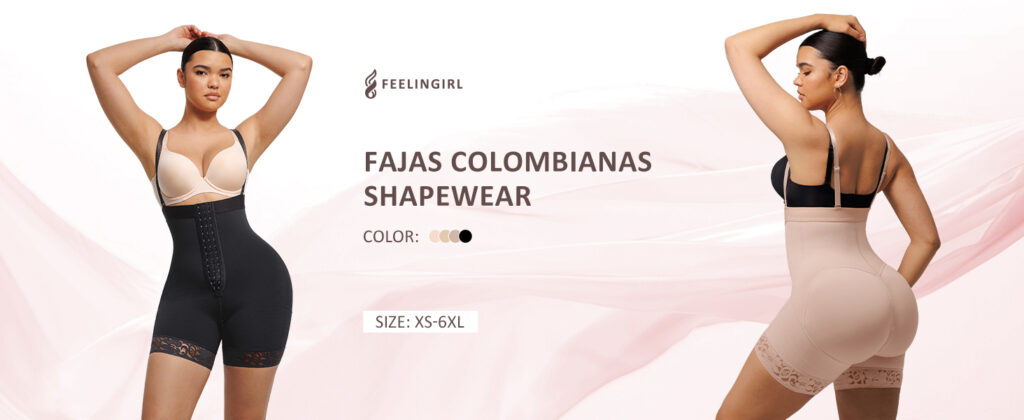
Choosing between Stage 1 and Stage 2 compression garments can be confusing, especially when preparing for a tummy tuck, liposuction or Brazilian Butt Lift (BBL). With different compression levels, garment lengths, fastening systems and recovery-stage labels, how do you know which Faja is right for you?
The answer depends on your surgical procedure, the areas requiring compression and your surgical team’s recommendations.
In this guide, Sandy explains the differences between Stage 1 and Stage 2 Fajas, the features to look for and how to choose the right size and coverage.
Looking for a compression garment? Shop SandyCare Post-Surgery Compression Garments.
What Is a Post-Surgery Compression Garment?
A post-surgery compression garment is a specially designed, close-fitting garment used to provide support and pressure to selected areas of the body following certain surgical procedures.
Depending on the design, compression garments may cover the abdomen, waist, hips, thighs, arms or breasts.
For example, a tummy tuck compression garment typically focuses on the abdominal area, while a garment intended for thigh liposuction may extend further down the legs.
Some garments also feature adjustable closures, reinforced tummy panels and specially constructed buttock sections.
However, not every compression garment is suitable for every procedure. Your surgeon should advise which areas require compression and which areas should remain free from pressure.
What Is a Stage 1 Compression Garment?
A Stage 1 compression garment is generally intended for the initial period following surgery.
Stage 1 Fajas are often designed with flexible fabrics and practical closures to accommodate the needs of early recovery.
Depending on the garment, features may include:
- Front zippers with inner hook-and-eye closures
- Adjustable shoulder straps
- Reinforced abdominal panels
- Underbust or full-body construction
- Convenient crotch openings
- Different levels of leg and hip coverage
Who Might Need a Stage 1 Faja?
A Stage 1 Faja may be recommended following procedures such as tummy tuck surgery or liposuction.
However, the correct garment depends on your surgeon’s instructions.
For example, a customer recovering from abdominal liposuction may require a different design from someone who has undergone liposuction across the thighs.
Similarly, a customer recovering from a BBL may need a garment that avoids unwanted pressure on the buttocks.
Stage 1 Garment Designs Available at SandyCare
Our Stage 1 collection includes different designs for different coverage needs.
Underbust Mid-Thigh Fajas
These garments provide coverage across the abdomen, waist, hips and upper thighs. Selected designs feature adjustable shoulder straps, reinforced tummy panels and front closures.
Full-Panty Compression Fajas
These provide tummy and waist coverage without extending compression down the thighs.
Thong-Back Compression Fajas
These offer reinforced abdominal shaping with minimal fabric coverage across the buttocks.
Full-Body Compression Garments
Selected designs extend coverage to the arms, back and thighs, depending on the garment.
The most suitable option depends on your procedure and the compression coverage prescribed by your surgical team.
Explore SandyCare Post-Surgery Compression Garments
What Is a Stage 2 Compression Garment?
A Stage 2 compression garment is generally associated with a later phase of post-operative recovery.
Stage 2 Fajas are often designed with more structured construction and may provide firmer compression than some Stage 1 garments.
However, these labels are not universal medical compression classifications. Actual compression varies between products and manufacturers.
Some Stage 2 garments feature multiple rows of hooks, reinforced abdominal panels and structural support bones.
Common Features of Stage 2 Fajas
Depending on the design, Stage 2 compression garments may include:
- Three or four rows of adjustable hook-and-eye closures
- Reinforced tummy and waist panels
- Anti-roll support bones
- Adjustable or detachable shoulder straps
- Full-back or underbust construction
- Mid-thigh or long-leg coverage
- Contoured buttock panels
These features allow customers to choose from different garment constructions and fit adjustments.
When Should You Start Wearing Stage 2 Compression?
There is no universal timeline for moving from Stage 1 to Stage 2.
Your surgeon may consider your procedure, swelling, recovery progress and individual needs before recommending a change.
Therefore, do not move to a firmer garment simply because a certain number of weeks has passed.
Stage 1 vs Stage 2 Compression Garments: Key Differences
The following table provides a general comparison.
| Feature | Stage 1 Compression | Stage 2 Compression |
|---|---|---|
| Typical recovery period | Initial post-operative period | Later recovery period |
| Compression | As prescribed for early recovery | May be firmer when prescribed |
| Garment construction | Often flexible | Often more structured |
| Closures | Zippers, hooks or adjustable fastenings | Frequently multiple adjustable hook rows |
| Coverage | Depends on procedure and design | Depends on procedure and design |
| When to wear | As directed by your surgical team | After surgical-team approval |
Important: Stage 1 and Stage 2 are commonly used commercial descriptions, not standardised medical compression pressure ratings.
A garment labelled Stage 2 is not automatically suitable for every patient or procedure.
How to Choose the Right Faja After Tummy Tuck Surgery
When selecting a tummy tuck compression garment, the most important consideration is whether its compression coverage matches your surgeon’s instructions.
Some customers may be advised to wear abdominal compression that extends from beneath the bust to the hips.
Others may require a garment with additional coverage.
Features to Consider
1. Abdominal coverage
Look for a garment that covers the areas your surgical team has identified.
2. Front closure
A front zipper or hook-and-eye closure may be more convenient than a pull-on garment.
3. Adjustable straps
Detachable or adjustable shoulder straps can help maintain the garment’s position.
4. Garment length
Choose between full-panty, mid-thigh or long-leg designs according to your prescribed coverage.
5. Comfortable fit
The garment should provide the recommended compression without excessive pain or unwanted pressure.
How to Choose a Compression Garment After Liposuction
The correct liposuction compression garment depends on the areas treated.
For example:
Abdominal Liposuction
An underbust Faja or abdominal compression bodysuit may provide the coverage recommended by your surgical team.
Thigh Liposuction
A mid-thigh or long-leg garment may be considered when compression is required across the legs.
Arm Liposuction
An arm compression garment with sleeves may provide more appropriate coverage than an abdominal Faja.
Multiple Treatment Areas
Selected full-body garments offer compression across the abdomen, back, arms and thighs.
Always confirm the required compression zones before ordering.
Can You Wear a Faja After a Brazilian Butt Lift?
Some Faja Colombiana designs feature lighter or specially constructed buttock panels.
However, not every Faja is suitable after a Brazilian Butt Lift.
Following a BBL, your surgeon may recommend avoiding direct pressure on particular areas.
Therefore, choosing a garment simply because it is advertised as a BBL Faja is not sufficient.
Ask your surgical team to confirm the appropriate compression zones, buttock construction and garment fit.
How to Choose the Correct Compression Garment Size
Selecting the correct size is one of the most important steps when purchasing post-surgery compression wear.
Step 1: Take Your Measurements
Use a flexible measuring tape to measure the relevant areas of your body.
Depending on the garment, these may include:
- Bust
- Underbust
- Waist
- Hips
- Upper thighs
Step 2: Check the Product Size Chart
Compare your measurements with the size chart provided on the individual SandyCare product page.
Do not assume your usual clothing size will match the garment’s sizing.
Step 3: Do Not Size Down for Stronger Compression
A smaller Faja does not necessarily provide better support.
Instead, excessive tightness may create discomfort or unwanted pressure.
Choose a size that matches the garment’s measurements and your surgical team’s recommendations.
Step 4: Ask for Assistance When Unsure
If your measurements fall between sizes, contact Sandy for help understanding the garment’s sizing information.
For post-operative compression requirements, your surgical team should make the final recommendation.
Which SandyCare Compression Garment Should You Choose?
Different procedures and preferences require different garment designs.
| Garment Design | Main Coverage | Distinguishing Feature |
|---|---|---|
| Stage 1 Underbust Faja | Abdomen, waist and thighs | Flexible design with front closure |
| Stage 2 Faja Colombiana | Abdomen, waist and thighs | Structured construction with adjustable hooks |
| Full-Panty Compression Faja | Abdomen, waist and hips | No extended thigh coverage |
| Thong Compression Faja | Abdomen and waist | Minimal rear coverage |
| Long-Leg Compression Faja | Abdomen, hips and legs | Extended coverage towards the calves |
| Full-Body Compression Garment | Multiple body areas | Selected designs include arm sleeves |
| Post-Surgery Compression Bra | Bust and upper torso | Front closure and supportive construction |
This table compares garment designs rather than prescribing products for particular surgeries.
Ready to compare products? Browse SandyCare Compression Garments.


